What buy-now-pay-later actually is
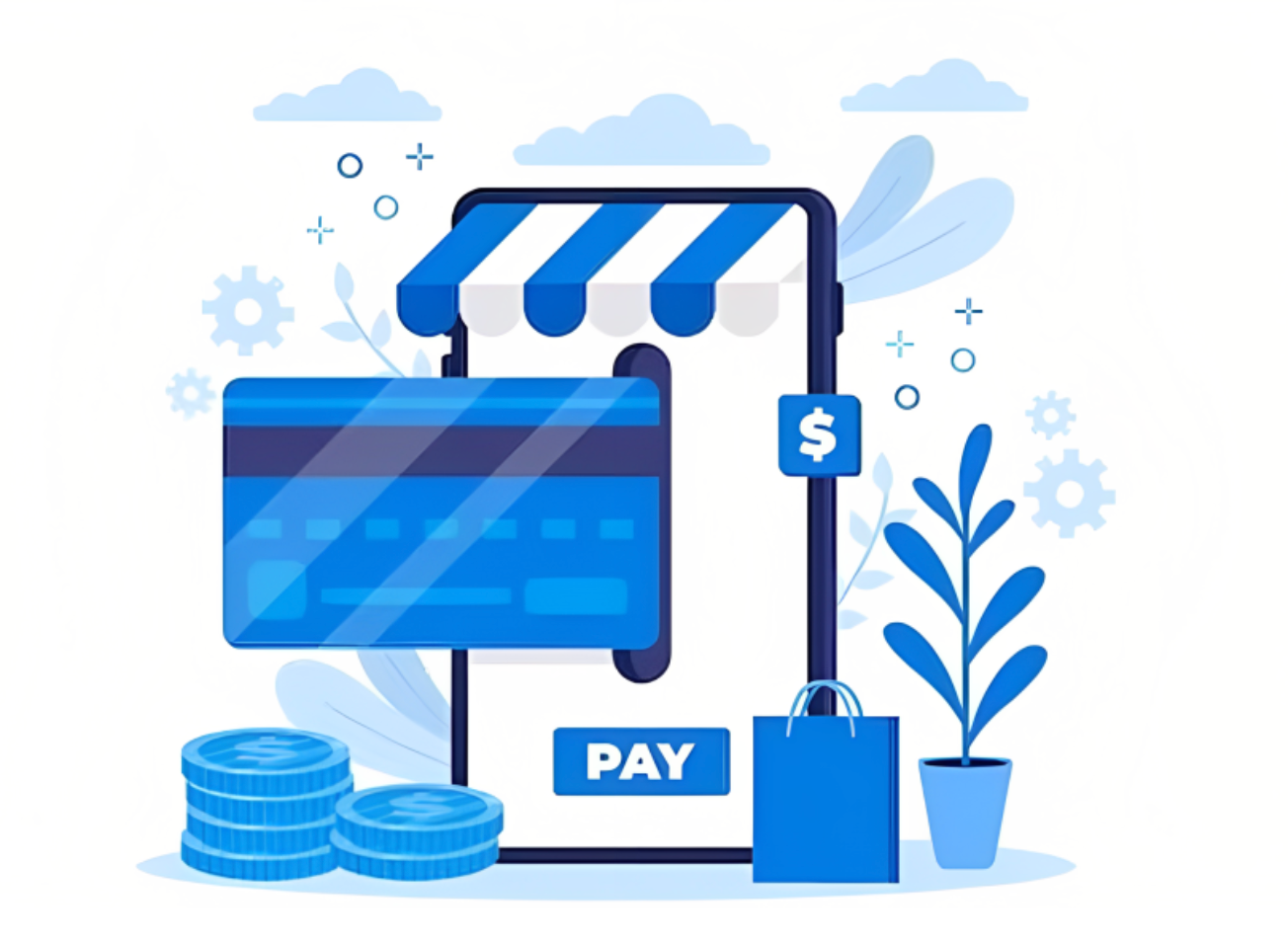
A shopper clicks "pay with Klarna" (or Afterpay, or Affirm) at checkout. They get approved instantly based on a soft credit check. The BNPL provider pays you in full immediately, minus a fee. The shopper then pays the BNPL provider in installments (typically 4 payments over 6 weeks, or 6-12 months for larger purchases).
Your side: full payment on day one, no collections risk, no chargeback exposure for the instalments. Their side: they split a $200 order into 4 payments of $50. You pay a 3-6% fee for that convenience.
It works because impulse-buying psychology is real. Splitting $200 into "$50 now" feels wildly different from "$200 now", even for people who could easily afford either.
The merchants who benefit most
BNPL's conversion lift is real but category-specific. Rough where it actually moves numbers:
High impact (20-30%+ AOV lift, 10-15% conversion lift):
- Fashion and apparel ($50-200 per order)
- Home goods and furniture ($100-2000)
- Electronics and tech accessories ($200-1500)
- Beauty and skincare ($50-300)
Moderate impact (~5-10% AOV lift):
- Fitness equipment
- Musical instruments
- Jewelry
Little to no impact:
- Digital-only products (no urgency, low price)
- Subscription services (recurring payment already solves the friction)
- B2B / wholesale (different buyer psychology)
- Anything under $50 (installments don't feel meaningful)
If your average order is under $50, BNPL rarely pays for itself. The fees eat the marginal conversion lift.
The fees, honestly
This is what most posts skip over. BNPL is meaningfully more expensive than cards:
| Method | Merchant fee |
|---|---|
| Standard card (Visa/Mastercard via Stripe) | 2.9% + $0.30 |
| Apple Pay / Google Pay | Same as cards |
| Klarna | 3.29% + $0.30 (US), variable elsewhere |
| Afterpay / Clearpay | 4-6% + $0.30 |
| Affirm | 0-6% depending on term (longer = higher) |
| PayPal Pay in 4 | 2.9% + $0.30 (bundled into PayPal fee) |
A 6% BNPL fee on a $200 order is $12. A card on the same order is $6.10. You're paying roughly 2x for the BNPL customer.
The math only works if BNPL causes enough new orders (or bigger orders) to offset the fee premium on all BNPL orders. For high-AOV categories, it usually does. For low-AOV, it doesn't.
The major providers and who picks what
Klarna
Dominant in Europe, strong in US. Best for fashion, home, beauty. "Pay in 3" or "Pay in 4" for small orders; up to 36-month financing for larger purchases. Their merchant dashboard is good.
Afterpay / Clearpay
(Same company, different names by region.) Strong in fashion, especially Australia and UK. "Pay in 4" only, no longer-term financing. Customer base skews young. Fees are the highest in the BNPL pack.
Affirm
Dominant in US for larger purchases (furniture, fitness, electronics). Offers longer terms (3-36 months) and sometimes interest-bearing. Best for high-AOV categories.
PayPal Pay in 4 / Pay Later
Bundled into PayPal's merchant contract at no extra fee (you pay PayPal's regular rate, PayPal handles the instalments). Easiest to add if you already accept PayPal. Less sophisticated than dedicated BNPL providers but frictionless.
Sezzle
US and Canada focused, "Pay in 4", smaller than Klarna/Afterpay/Affirm but cheaper merchant fees.
The regulatory backdrop in 2026
The BNPL regulatory environment has tightened significantly since the 2020-2022 explosion:
- UK (FCA): BNPL products classified as regulated credit since 2024. Affordability checks required. Harder to onboard; customer experience slightly more friction.
- US (CFPB): treating BNPL as open-end credit since 2025. Dispute rights, disclosure requirements, late-fee limits.
- EU: consumer credit directive updates. Similar direction of travel.
- Australia: ASIC tightened rules in 2024.
Most of this regulation lands on the BNPL provider, not on you as a merchant. The main practical effect: approval rates have dropped a few percent (borrowers who wouldn't have qualified for a credit card now sometimes get declined by BNPL too). The "everyone gets approved" era is over.
Still works. Still lifts conversion. Just less magical than in 2021.
Integration mechanics
The technical integration is almost always "turn it on in your checkout provider."
- If you're on Shoprocket / Shopify / Snipcart / BigCommerce: BNPL comes through the Stripe or PayPal connection. Enable it in your payment settings, and BNPL buttons appear at checkout automatically for eligible shoppers.
- If you're self-hosted / custom: you'll wire up each provider's SDK individually. Klarna, Affirm, Afterpay all have PHP/JS SDKs. Plan a dev week per provider.
Shoprocket specifically: BNPL arrives via the Stripe integration. Turn on Klarna and Afterpay in the Stripe dashboard, they show at our checkout automatically. Customer selects, Stripe handles the BNPL flow, we see it as a successful payment with BNPL metadata attached.
<!-- EXAMPLE ONLY. Grab your real snippet from Sales channels → Embeds in your dashboard -->
<script src="https://cdn.shoprocket.io/loader.js" data-pk="pk_yourkey"></script>
<div data-shoprocket="catalog" data-embed-id="emb_xxx"></div>
When to add BNPL, and when to skip it
Turn it on if:
- Your average order value is $75+
- Your category is fashion, home, tech, or beauty
- You're in a geography where customers expect it (US, UK, Australia, parts of EU)
- You've hit a conversion-rate plateau and want a lever
Don't bother if:
- Your AOV is under $50
- You sell digital-only or subscription products
- Your margin is already thin (the BNPL fee will eat profitability)
- Your category doesn't have the "I need it now but want to pay later" dynamic (commodities, wholesale, B2B)
Second-order effects to expect
A few things BNPL will do that nobody advertises:
Returns tick up. BNPL shoppers return more. Low commitment at purchase = lower emotional stake = easier to return. Budget 2-4% higher return rate.
Fraud doesn't drop to zero. BNPL providers absorb first-party fraud from approved orders, but identity-theft fraud and friendly fraud still happen. Don't treat BNPL orders as risk-free.
AOV shifts upward across ALL orders. Once BNPL is an option on checkout, even card-paying shoppers sometimes increase their basket size because they've mentally considered splitting it.
Customer mix changes. You'll get younger, more credit-constrained shoppers. Not a bad thing, just a different audience to serve via support and returns.
TL;DR
- BNPL = shopper pays in instalments, you get paid in full minus 3-6% fee
- Real conversion + AOV lift for high-AOV categories (fashion, home, tech, beauty)
- Skip it for low-AOV, digital-only, subscription, or B2B
- Major providers: Klarna (EU/global), Afterpay (fashion), Affirm (US high-ticket), PayPal Pay in 4 (easiest to add)
- 2026 regulation has tightened but BNPL still works; approval rates are a few % lower than peak
- On Shoprocket specifically: turn it on in your Stripe dashboard, it appears at our checkout
Start a free trial if you want the commerce side handled. 14 days, no card. BNPL enables via Stripe the moment your store is live.
Building ecommerce tools for independent sellers since 2013.